
Heroes of the Storm
Read the battleground before calling the fight.
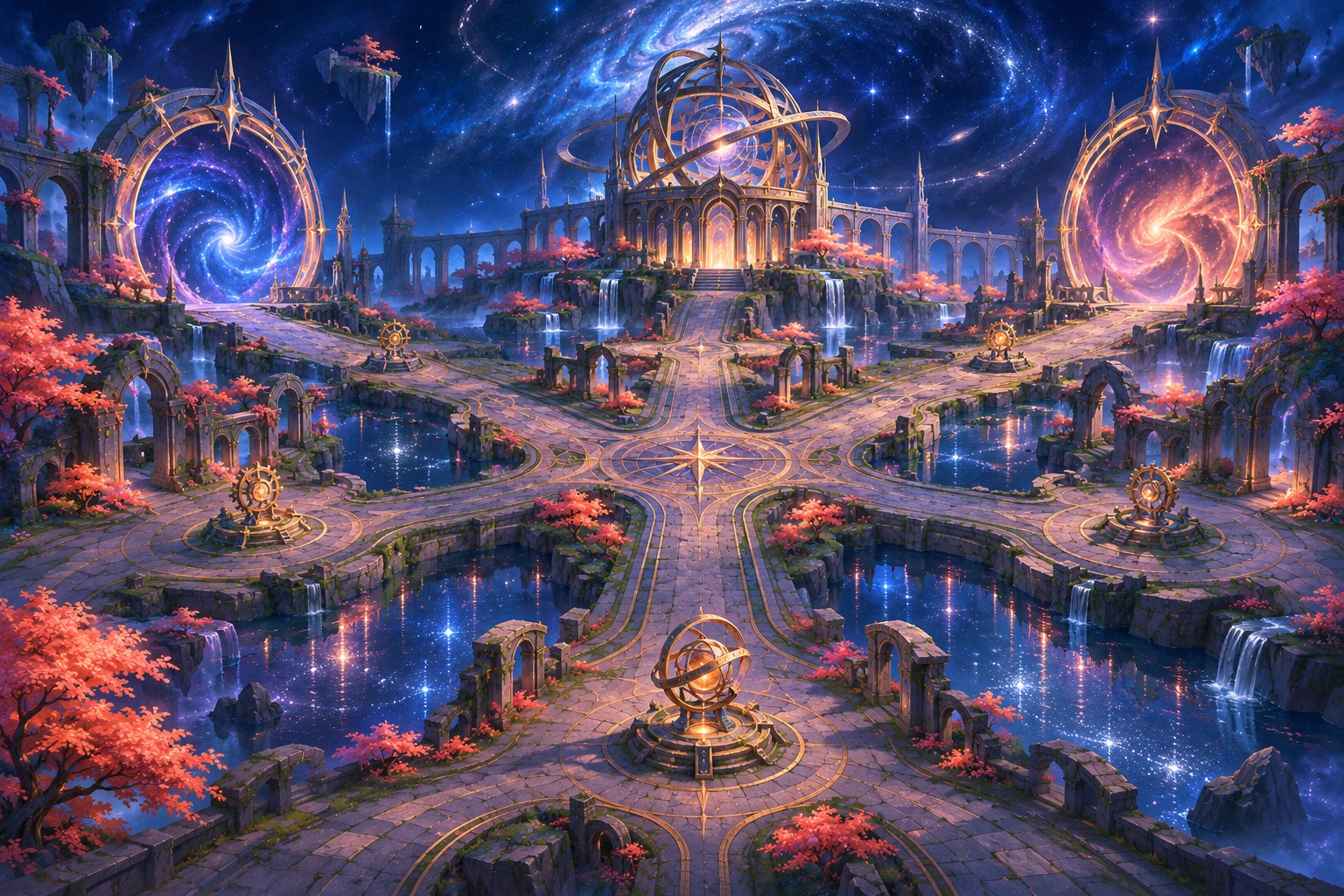
What the scene asks.
Heroes of the Storm makes the battleground an active part of a MOBA decision. Five players bring Blizzard characters into matches shaped by different objectives, layouts and opportunities. The useful first question is not simply which hero deals the most damage, but what the current map asks the group to prepare for and when it is sensible to arrive.
Its appeal is shared momentum: talent decisions, experience and objective preparation make cooperation feel larger than an individual duel. It is a strong editorial choice for a patient group that enjoys learning together. Readers who want a single unchanging map or a familiar item-shopping routine may prefer a different kind of MOBA. Start with curiosity about the battleground rather than expectations borrowed from another title.
You may enjoy this if…
You enjoy recognisable characters, changing map objectives and working out how a group can turn preparation into a useful shared advantage.
Look elsewhere when…
Pause if you want your own resource lead to explain everything, or if learning different battleground demands feels like repetition without a clear reward.
The map changes the conversation
Different battlegrounds create different reasons to move. Learn the current objective and the cost of leaving a lane before treating every announcement as an instruction to rush forward. A team may need health, a talent advantage or a safer approach before contesting. The objective is part of a wider map, not a separate arena where earlier choices disappear. Ask what preparation makes the next contest worthwhile and what the opposition can gain while your attention is elsewhere.
For instance, reaching the meeting point first is less useful if you arrive alone and immediately lose access. Wait where the group can assemble, watch the approach and communicate what you see. Arriving prepared is a repeatable contribution even when the final contest does not go your way.
Shared progress still needs individual work
Team experience makes ordinary collection and presence matter even when they are not spectacular. You can help a group by covering an unattended area, clearing safely or allowing another hero to rotate. That does not mean everyone should spread out forever: the useful arrangement changes with the next objective. A beginner should learn one manageable responsibility and notice how it supports shared progress. The score screen cannot fully explain whether you were in the right place at the right time.
Talents are choices about the match
Heroes develop through talent selections rather than a conventional item shop. Keep one hero familiar and understand the purpose of a small number of choices before searching for a universal build. Consider which threats the opposition creates and what your team needs from you. The common mistake is selecting automatically while playing as though a talent changed nothing. After choosing, identify one action that should become safer, stronger or more useful, then look for that situation deliberately.
Enter with an agreement, not a deadline
The official game remains presented as free to play, with Windows and Mac requirements on Battle.net. Check current compatibility, hero access and account arrangements directly; a store listing is not a promise about queue health. Across the first weeks, learn a small hero pool and a few battleground objectives. Agree that a missed rotation is a decision to discuss, not a reason to attack a teammate. Calm explanations make unfamiliar maps much easier to understand.
Reasons to open this world
- Battleground objectives create varied team decisions.
- Talent choices offer a focused kind of adaptation.
- Shared progress rewards less conspicuous contributions.
Demands to take seriously
- Map-specific rules add an extra learning layer.
- Arriving unprepared can waste an objective opportunity.
- An individual scoreboard cannot describe every useful action.
Facts behind the scenery.
- Developer / publisher
- Blizzard Entertainment
- Release context
- Released in 2015.
- Supported devices
- Windows and macOS via Battle.net; check current system requirements.
- Base access
- Free base game with optional purchases and hero-access arrangements.
- The covered format
- Five-player teams on battlegrounds with distinct objectives.
Official sources reviewed 23 November 2026. Read the supporting official information . Requirements, regional access and current playlists should be checked directly before installation.
Rehearse one decision.
Use a low-pressure setting with one familiar hero. Before the next objective, name its purpose and one thing you need before approaching. Afterwards, explain whether preparation or positioning changed your ability to help.
The first goal is recognising what the battleground asks of your role. Broader map familiarity and talent judgement grow over repeated matches. Do not demand mastery of every hero before deciding whether the learning itself is enjoyable.
Open the rehearsalThis is independent editorial desk research with AI-assisted drafting. No firsthand playtesting, competitive hours or measured performance is claimed. The score cannot guarantee enjoyment and is not issued by a publisher.